Birmingham city centre
Community Interest Company

Finding a home when it matters most

We help people who have been through the asylum system, and have now been given the right to make their life here, find stable housing and begin to settle in.

A moment that is harder than it looks

When someone's asylum case is decided in their favour, it should feel like a turning point. And it is. But it also comes with a deadline. Most people have around 28 days to leave their asylum accommodation, find somewhere to live, apply for Universal Credit, open a bank account, register with a GP, and begin navigating a housing system that is genuinely difficult even for people who have been through it before.

Many people fall into homelessness during this period, or end up in housing that is unsuitable, because there is very little structured support for exactly this gap. There are organisations doing important work at the early stages of the asylum process. Very few focus on what comes after a positive decision, when someone finally has the right to be here and almost no runway to act on it.

That is the moment we try to help with.

View across residential neighbourhoods towards the city centre skyline

How we help

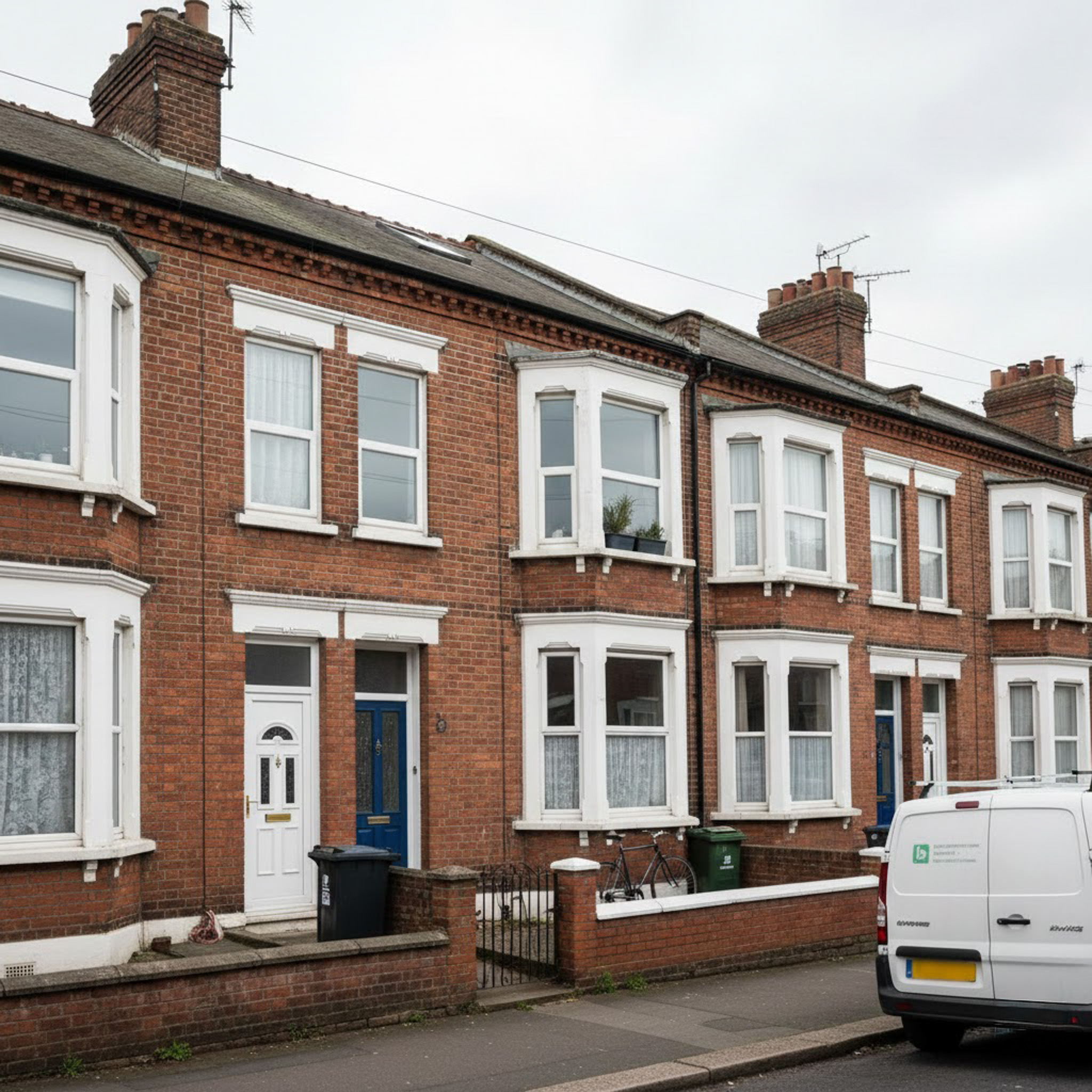
We work with managing agents we know to find suitable housing for the people referred to us. We try to make sure any property we recommend is in decent condition and properly managed, and we think about fit — not just whether a room is available, but whether it suits the person moving in.

We help with the practical side of moving: the tenancy agreement, the housing benefit application, the council tax exemption. Once someone is settled, we stay in touch for the first few months. A check-in in week one, week four, week twelve. Enough to catch small problems before they become larger ones.

See how it works
A well-maintained room in supported accommodation

What the right support at the right time can do

A stable start

A fixed address means Universal Credit can be claimed, a bank account opened, and a GP registration made. These things are impossible without one.

Problems caught early

Regular check-ins in the first few months mean issues get addressed before they spiral. A stalled benefit claim or a repair that has not happened is easier to fix at week two than month six.

Less isolation

Knowing where to go — the nearest food bank, the local mosque, a GP surgery that is taking patients — makes an unfamiliar area feel less overwhelming.

A foundation to build from

With housing stable and the basics in place, people have the space to think about what comes next: work, training, community, putting down roots.

Referral partners

Working with someone who needs housing?

We work through referral partners — charities and refugee organisations. If you are supporting someone through this transition and they need help finding stable housing, we would like to hear from you.